Tartan’s Product Update — April 2022
Hey there,
Spring cleaning isn’t just for homes—we’ve been refreshing and streamlining our product experience too. Over the past month, our focus has been on reducing complexity in verification workflows and making integrations simpler, faster, and more scalable for our customers.
This April, we’re excited to introduce a major step forward in how verification is built and consumed at Tartan.
We’ve launched a Unified Verification API that brings multiple verification categories together into a single, seamless integration. Alongside this, we’re enabling faster access to ex-employment records in as little as 30 seconds, helping teams move quickly while maintaining confidence in their decisions.
Let’s dive into what’s new and why it matters.
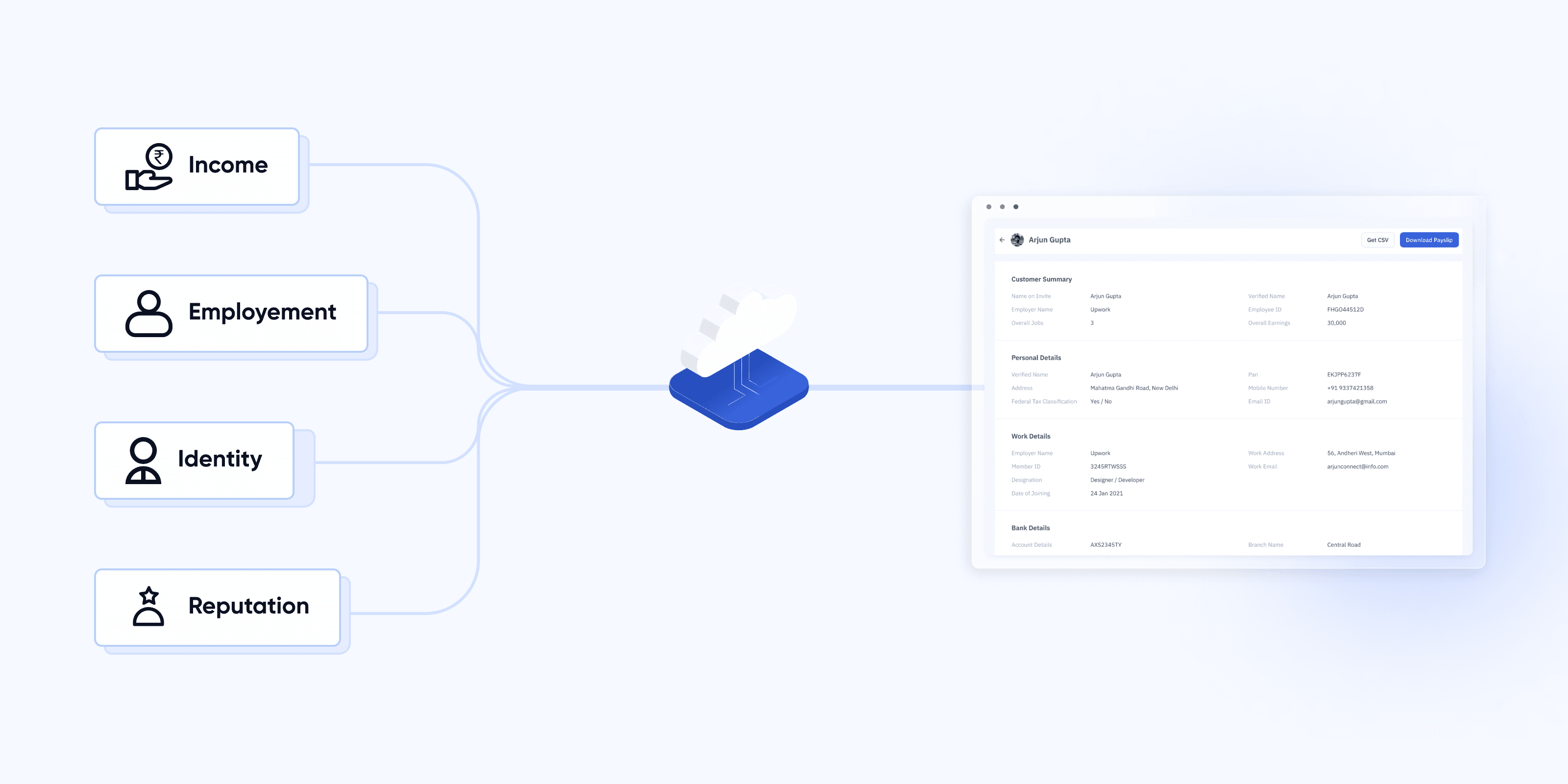
One API for up to four categories of data
We know how painful it can be to manage multiple APIs, endpoints, and vendors just to complete a single verification journey. Each additional integration increases engineering effort, operational overhead, and system latency—making verification harder to maintain at scale.
To solve this, we’ve built a Unified Verification API that consolidates your verification needs into a single integration point.
With this API, you can choose to verify one or more of the following categories based on your use case:
Income
Employment
Identity
Reputation
Instead of stitching together separate workflows, you can trigger any combination of these checks through the same API—giving you flexibility without added complexity.
A single webhook response, multiple signals
What makes the Unified API even more powerful is how results are delivered.
Rather than handling multiple callbacks or asynchronous responses from different verification services, the Unified API returns outcomes for one or more verification categories through a single webhook response.
This simplifies backend orchestration and makes downstream processing far easier.
For engineering teams, this translates to:
Fewer integrations to build and maintain
Cleaner, more predictable workflow logic
Faster development, testing, and deployment cycles
Yes—this is the kind of simplification your engineers genuinely appreciate.
Faster access to ex-employment records
In addition to unifying verification categories, we’re also accelerating access to ex-employment records, with responses available in as little as 30 seconds.
This enables teams to:
Validate past employment quickly
Reduce delays during onboarding and underwriting
Make faster decisions without waiting on manual checks
All of this fits seamlessly into the same unified verification flow.
Why this matters
These updates are designed to remove friction at both the technical and operational layers.
With the Unified Verification API, businesses benefit from:
Reduced integration complexity across verification workflows
Faster verification turnaround times
Greater flexibility in designing and evolving user journeys
A scalable foundation for future verification and data needs
By unifying verification categories under a single API and simplifying how results are consumed, Tartan helps teams spend less time on plumbing—and more time building reliable, high-conversion products.
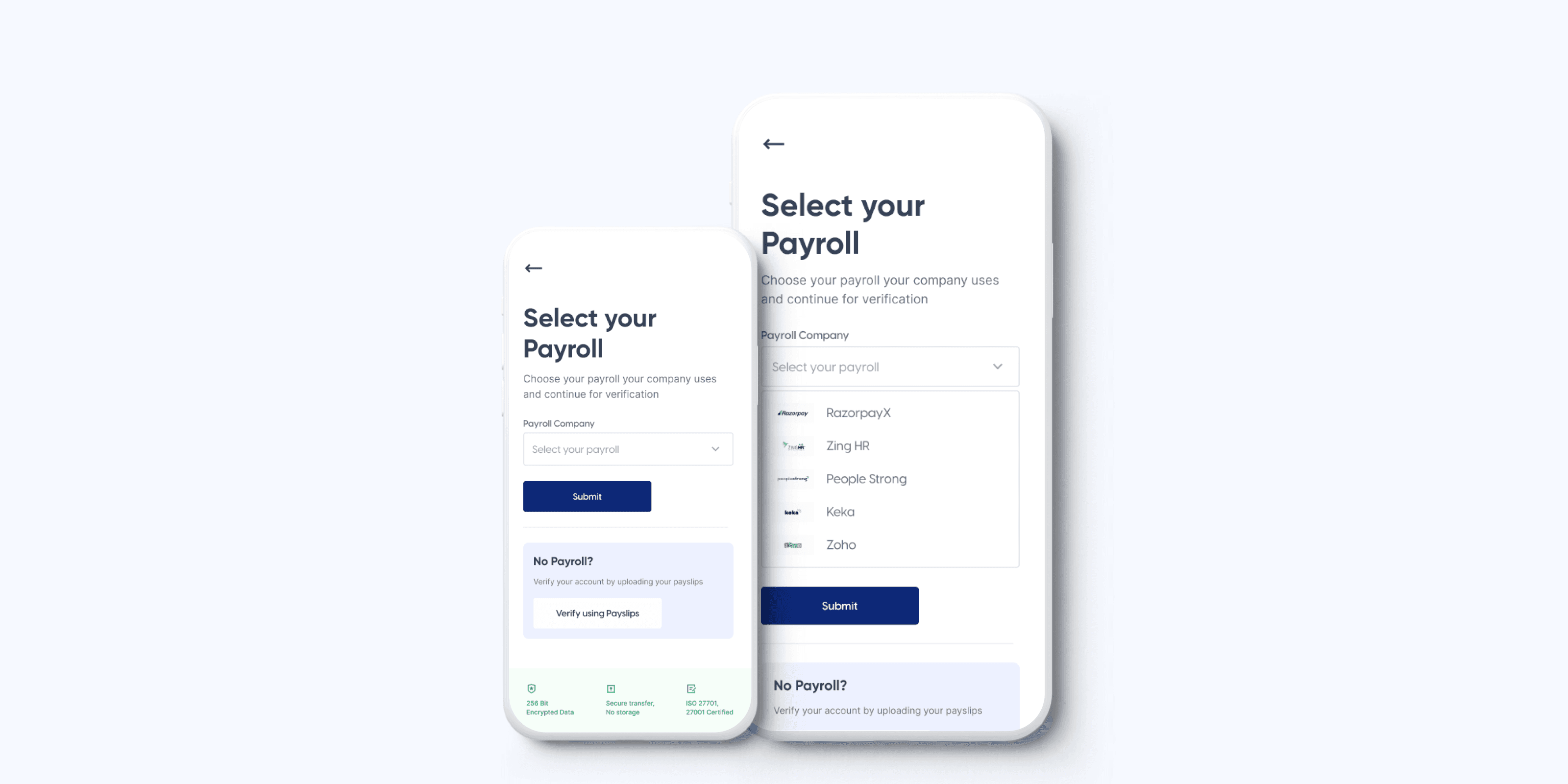
Comprehensive List of Employers Covered
We strive to expand our employer coverage. We now cover over 40K employers including some big-name companies like Deloitte India, Adani, Amazon, Infosys, and many more. This means that now you can accept users from a wider range of employer segments supported through our easy and real-time Income & Employment Verification.
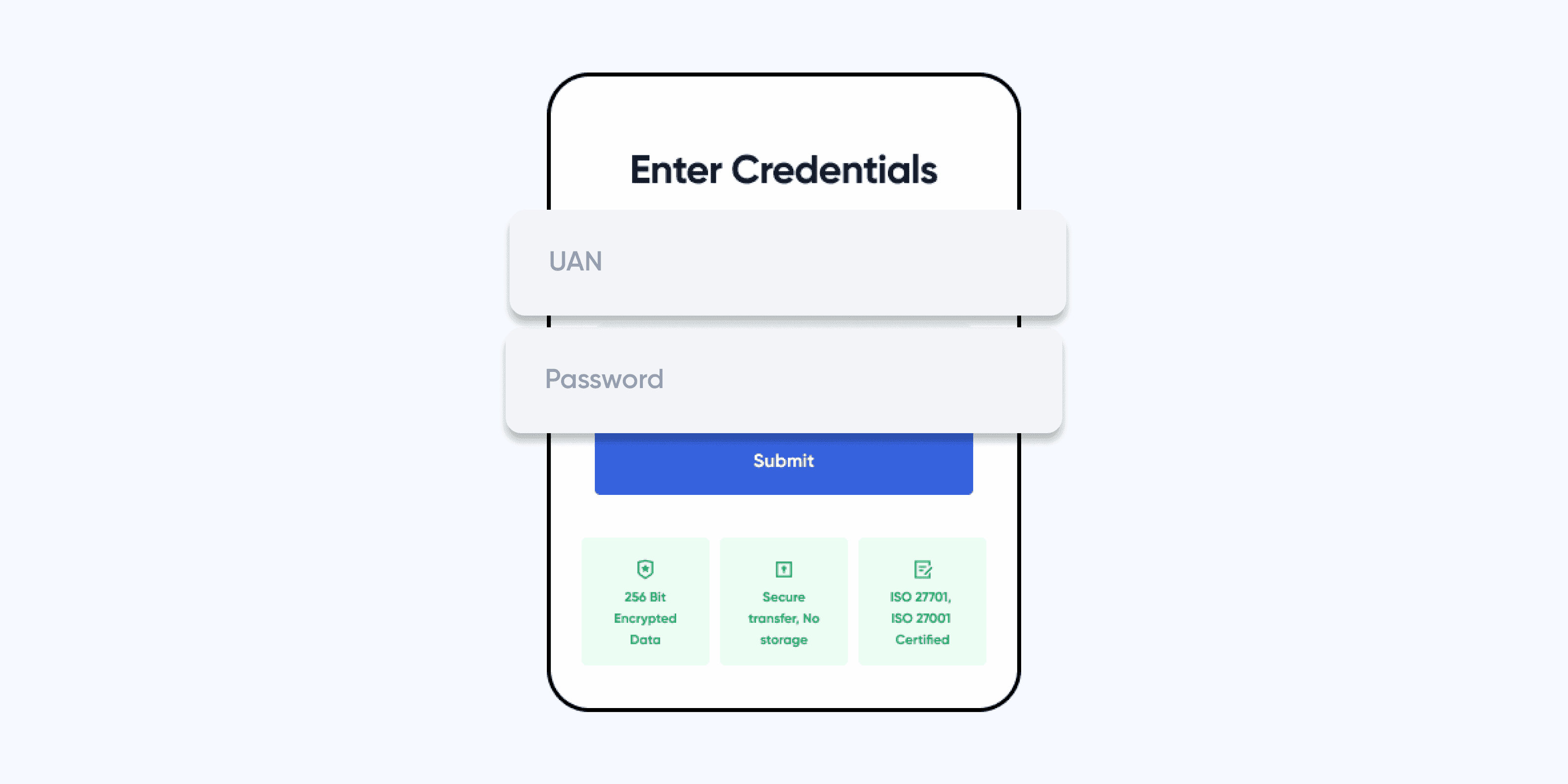
Ex-Employment Records in 30 Seconds
Ever wondered if we could verify ex-employment in a jiffy? May’22 will see us rolling out a UAN-based verification that gets you an alternative, government-approved resume of your end customers or candidates to help you make better decisions.
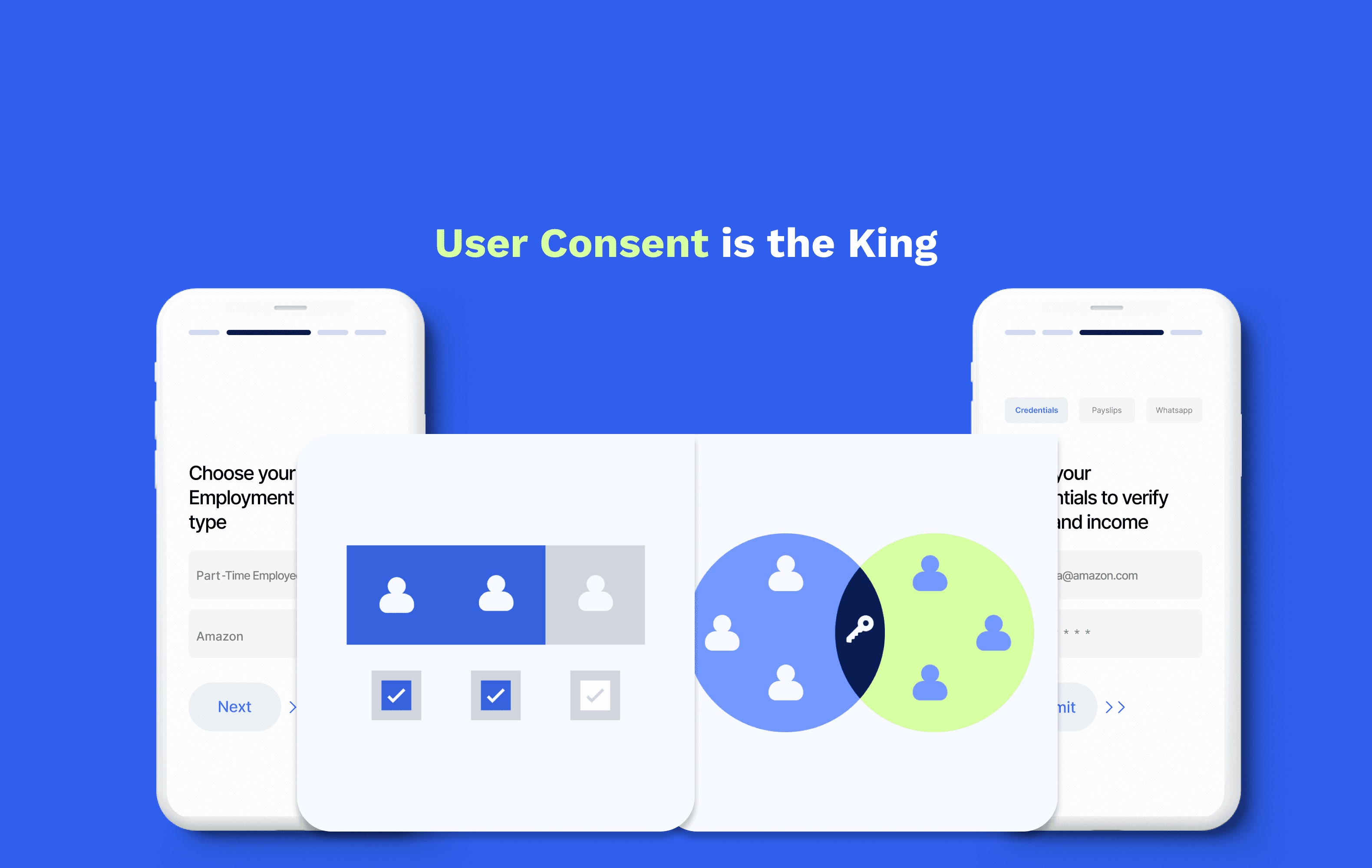
User Consent is the King
Consent-driven data empowers individuals, informs them on their personal data usage, and gives them the right to control their own digital identities. Read our latest blog to know more about our take on user consent regarding personal data, as we strongly acknowledge that income and employment data are owned exclusively by the user.
Find out how Tartan is pioneering user consent-driven payroll data exchange in India, which plays different roles in people’s daily lives behind the scenes, making their financial lives easier.
In the meantime, we’d love to hear any feedback you have on our products and what we can do to make them even better. If you have any questions or feedback, contact us! If you are excited to ride with us, we are hiring right now. Check out our job openings https://angel.co/company/tartanhq
Stay tuned for more such amazing updates every month.