Most NBFCs in India still take 5 to 7 days to disburse a loan, once application intake, credit checks, KYC, and address verification are all accounted for. Borrowers applying for smaller ticket sizes rarely wait that long. Most apply to more than one lender at the same time, and the first one to say yes usually wins the disbursal, regardless of how competitive the interest rate or terms were on the slower application.
The reasons behind that 5 to 7 day figure are rarely where teams expect. Credit checks and eligibility scoring are largely automated at most NBFCs today. The real time sink sits further down the chain, in a single stage most teams treat as routine paperwork rather than the primary bottleneck it actually is. This piece breaks down exactly where that time goes, why one specific stage accounts for most of it, and what NBFCs already on faster disbursal cycles are doing differently.
Why TAT Is the Metric That Decides NBFC Competitiveness
Borrowers drop off during long approval cycles
A borrower who applies for a personal or business loan usually applies to more than one lender at the same time. Every additional day of waiting increases the odds that a competing NBFC or digital lender disburses first, and the original application gets abandoned regardless of how sound the underwriting was.
Faster lenders capture the deal first
Digital-first NBFCs already report average disbursal times under 24 hours on fully digital stacks, while lenders still running sequential, manual-heavy processes remain closer to a week. That gap is not a technology preference. It is a direct driver of who wins the borrower.
Where NBFCs Actually Lose Time in the Disbursal Cycle
Application intake and data collection
Manual data entry and incomplete applications create the first delay, often before underwriting even begins. Every field a borrower has to re-submit or clarify adds a full cycle back into the process.
Credit and eligibility checks
Bureau pulls and eligibility checks are largely automated at most NBFCs today, but they still depend on clean, complete data from the intake stage. Delays upstream compound here rather than getting absorbed.
KYC and address verification
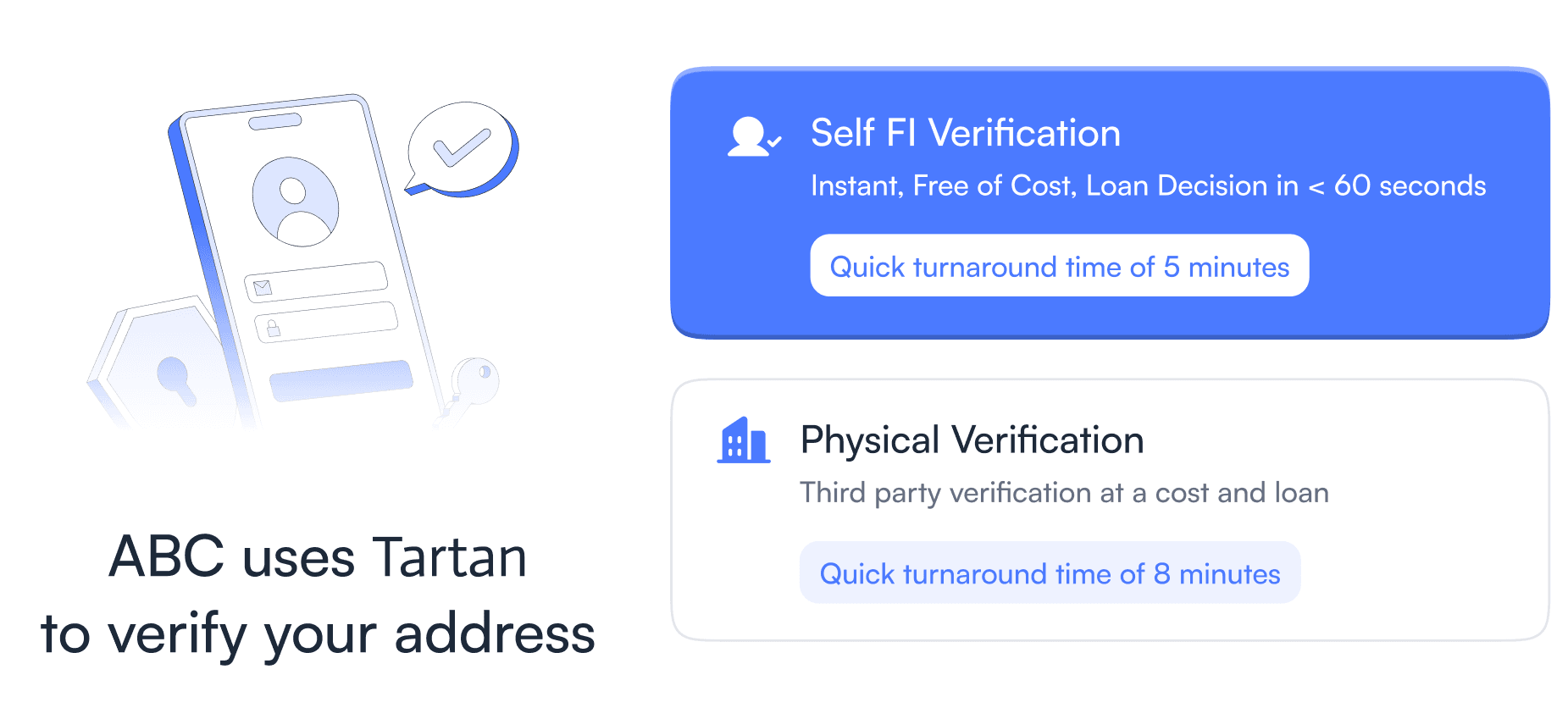
This is typically where NBFCs lose the most time. Field-based address verification alone can take several days once scheduling, agent availability, and revisits are factored in, and it usually runs after or alongside other checks rather than in parallel with them.
Final underwriting and disbursal
The last stage should be the fastest, since most of the decisioning inputs already exist by this point. In practice, it often waits on sign-off from earlier stages that haven't cleared, which pushes the entire cycle out further.
Read more: Address mistakes in loan underwriting
The Address Verification Bottleneck
Field agent scheduling adds days
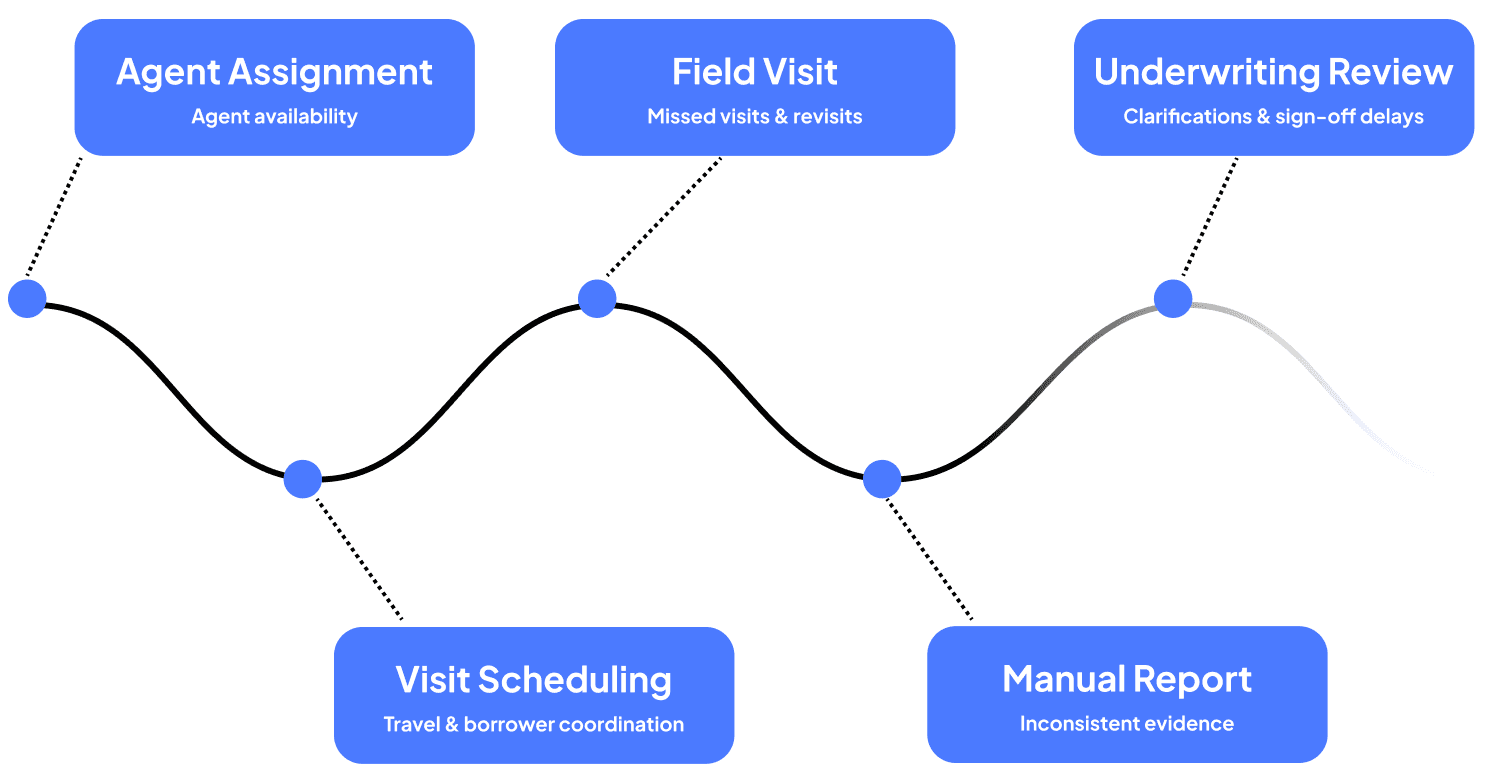
Field verification depends on agent availability, travel time, and the borrower being present when the agent visits. A single missed visit adds a full scheduling cycle back into the process, sometimes more than one.
Manual review doesn't scale with volume
Field verification carries a linear cost. Every additional case needs another agent visit, which means volume spikes translate directly into longer queues rather than faster throughput.
Inconsistent reporting slows sign-off
Field agent reports vary in detail and format from one visit to the next. Underwriting teams often have to follow up for clarification before they can act on a report, adding another delay on top of the verification step itself.
Levers NBFCs Can Pull to Compress TAT
Parallelize verification steps instead of running them sequentially
Traditional disbursal flows process credit checks, KYC, and address verification one after another, with each stage staffed by a separate manual review. Running these checks in parallel, rather than waiting for one to complete before starting the next, is one of the largest single reductions available without changing headcount.
Replace field visits with async, live-signal verification
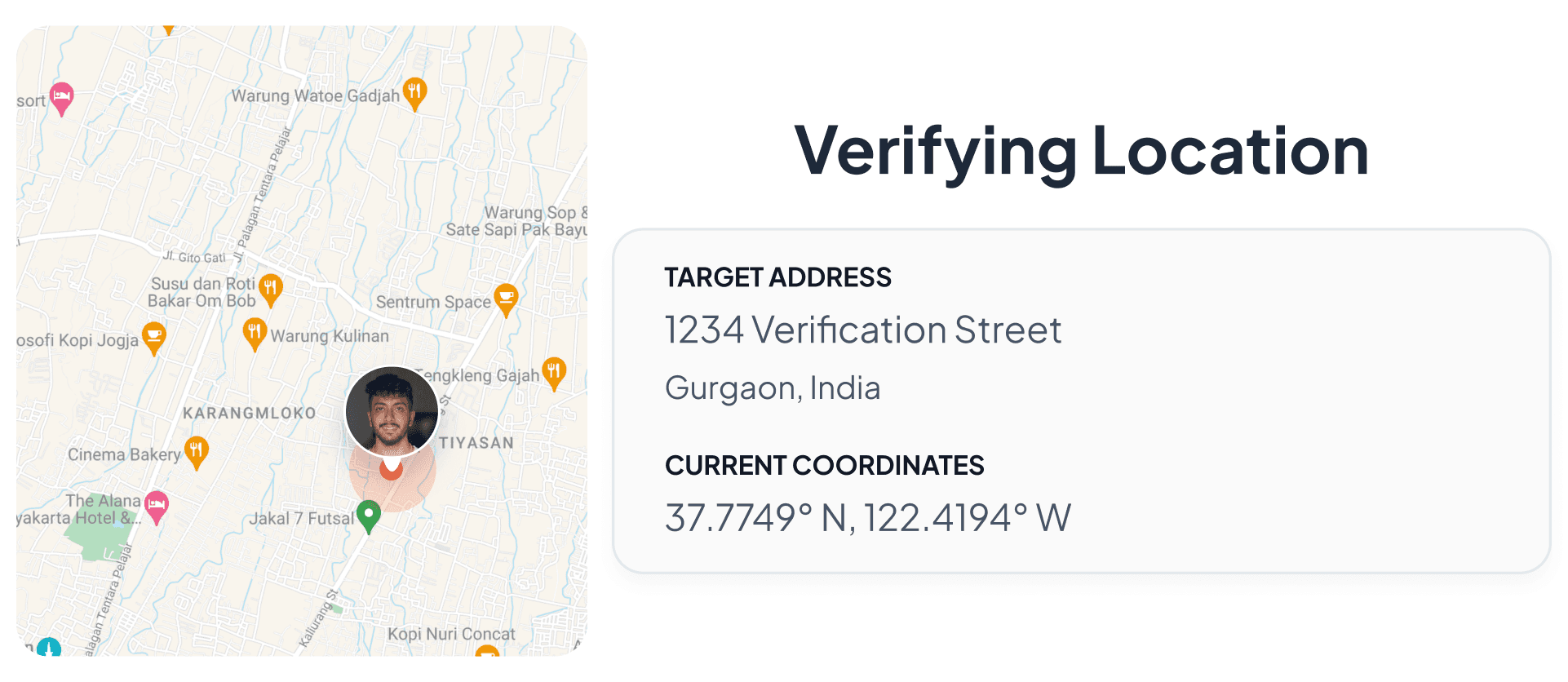
Async verification removes the scheduling dependency entirely. Instead of waiting for an agent visit, the borrower completes verification on their own time, and the evidence, live location, address photos, OCR-verified documents, arrives back in minutes to hours rather than days.
Use confidence scoring to auto-approve low-risk cases
A binary pass/fail check sends every case through the same manual review path, regardless of risk. A confidence score allows low-risk cases to move straight to approval, while manual attention concentrates only on the cases that actually need it.
What Faster Contact Point Verification Looks Like in Practice
TartanHQ’'s Digital Contact-Point Verification (DCPV) is built to remove the scheduling dependency that makes field verification the slowest stage in the disbursal cycle. It replaces field agent visits with an async, guided verification flow that captures live location, address evidence photos, and OCR-verified documents directly from the borrower, then returns a confidence score instead of a binary outcome.
Because the process is async and link-based, it supports bulk volumes without adding headcount, and it can run in parallel with credit and KYC checks rather than after them. Verification that used to take 2 to 5 or more days completes in minutes to hours.

What NBFCs See After Compressing TAT
Shorter approval cycles, since verification no longer blocks on agent scheduling
Lower cost per case, since volume no longer requires proportional headcount
Fewer abandoned applications, since borrowers aren't waiting long enough to shop elsewhere
Consistent, timestamped evidence for every case, instead of variable field agent reports
Talk to TartanHQ About Reducing Disbursal TAT
If address verification is the stage adding the most time to your disbursal cycle, the fix starts there before it starts anywhere else. Connect with the TartanHQ team to see how DAV fits into your existing credit and KYC workflow.